
Disclosure: This post may contain affiliate links, including Amazon links. As an Amazon Associate I earn from qualifying purchases. Commissions may be earned at no extra cost to you. Content is for informational purposes only and not professional advice.
Most people think home organization requires a full makeover, expensive storage solutions, or weeks of decluttering. But the truth is that a well designed home organization system does not need to be complicated. It needs to be intentional. When you understand how your home functions, how you move through it, and where friction naturally appears, you can create a system that supports your daily life with far less effort.
A home organization system is not about perfection. It is about flow. It is about designing your space so that everyday tasks become easier, faster, and more intuitive. When your home supports your routines, you save time, reduce stress, and create a sense of calm that carries into every part of your life. And the best part is that you can build a simple, effective system in a single weekend.
This guide blends practical steps with the reasoning behind them, so you not only know what to do but also why it works. By the end, you will have a home organization system that feels natural, sustainable, and aligned with the way you actually live.
Why Most Organization Efforts Fail
Before building a new system, it helps to understand why previous attempts may not have worked. Most organization efforts fail for three reasons.
First, people focus on appearance instead of function. They buy containers, labels, or trendy storage solutions without understanding the underlying flow of their home. A system that looks good but does not match your habits will fall apart quickly.
Second, people organize by category instead of by behavior. They group items together because they belong to the same type, not because they are used in the same context. This creates unnecessary movement and friction.
Third, people try to organize everything at once. This leads to overwhelm, decision fatigue, and systems that are too complicated to maintain.
A sustainable home organization system is built around behavior, flow, and simplicity. It supports your life instead of demanding more from you.
The Weekend Organization Framework
This simple framework can be completed in one weekend. It focuses on the areas that create the most friction and delivers the biggest impact with the least effort. The system has three phases:
• map your home’s natural flow
• create micro zones for daily activities
• establish reset routines that keep everything running
Each phase builds on the previous one, creating a system that feels intuitive and easy to maintain.
Phase 1: Map Your Home’s Natural Flow
Every home has a natural flow, the paths you walk, the surfaces you use, and the places where items tend to accumulate. Instead of fighting this flow, your organization system should work with it.
Start by observing how you move through your home. Notice where you drop your keys, where mail piles up, where you prepare food, where you get ready in the morning, and where clutter tends to appear. These patterns reveal the default pathways of your home.
Once you understand your natural flow, you can design your space to support it. For example, if you always drop your bag near the entrance, create a designated landing zone there. If papers accumulate on the kitchen counter, create a small document station nearby. When your system matches your behavior, it becomes effortless to maintain
Phase 2: Create Micro‑Zones for Daily Activities
A micro‑zone is a small, dedicated area designed for a specific activity. Unlike large organizational systems, micro‑zones are simple, flexible, and easy to maintain. They reduce decision fatigue and make everyday tasks smoother.
Here are examples of micro‑zones you can create in a weekend:
- A morning prep zone with essentials you use before leaving the house
- A hydration zone with glasses, filters, and your preferred water setup
- A cooking prep zone with knives, cutting boards, and frequently used spices
- A tech charging zone that keeps cables and devices contained
- A wind‑down zone with books, candles, or items that help you relax
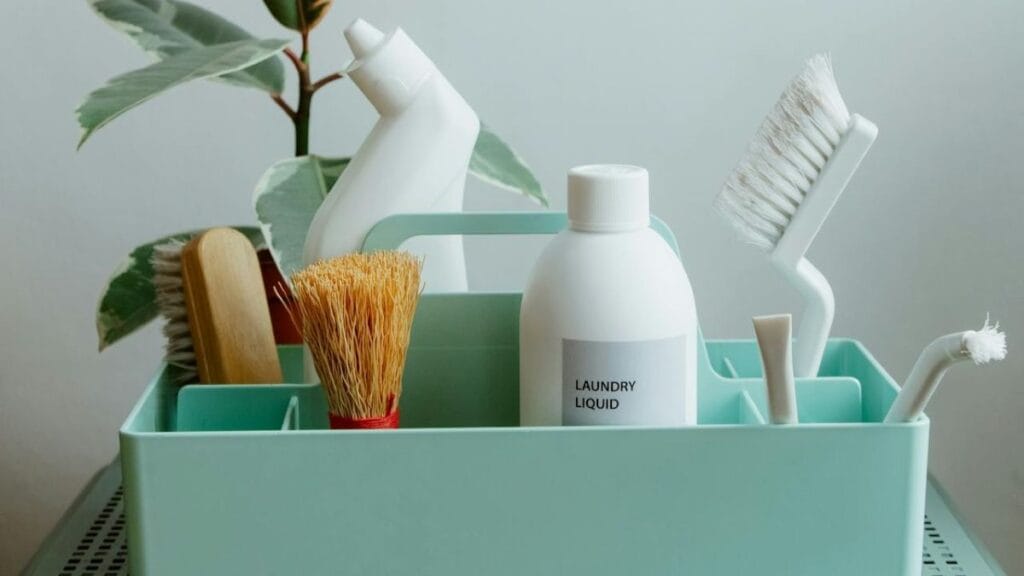
- A cleaning quick‑access zone with wipes, cloths, and surface sprays
Each micro zone should contain only what you need for that activity. This reduces clutter and makes the zone easy to reset.
The reasoning behind micro zones is simple: your brain associates spaces with actions. When everything you need is in one place, you move through tasks with less friction and more clarity.
Phase 3: Establish Reset Routines
A home organization system is only as strong as the routines that support it. Reset routines are short, simple actions that return your space to its baseline. They prevent clutter from building up and keep your system running smoothly.
There are three types of resets:
Daily resets:
Quick, five minute routines that restore your most used areas, such as clearing the kitchen prep zone, resetting your workspace, or tidying the entryway.
Weekly resets:
Slightly longer routines that maintain the overall flow of your home. They might include refreshing your micro zones, reorganizing high traffic areas, or restocking essentials.
Seasonal resets:
Deeper resets that help you adjust your home to changing needs. They might involve rotating clothing, updating storage, or reorganizing tools and supplies.
Reset routines work because they prevent overwhelm. Instead of letting clutter accumulate until it becomes a project, you maintain your system in small, manageable steps.
The key to keeping your home organized is building daily systems that prevent clutter from piling up.
If you want a practical example of this in action, you’ll find it in 5 Most Effective Routines to Keep Your Home Looking New.
The Psychology Behind This System
This home organization system works because it aligns with how your brain naturally operates. It reduces friction, simplifies decisions, and creates predictable patterns that support your daily life.
Here are the psychological principles behind it:
- Context based organization: Your brain remembers actions better when they are tied to specific locations.
- Reduced cognitive load: Micro zones eliminate unnecessary choices and movement.
- Environmental cues: A well designed zone signals the behavior associated with it.
- Habit reinforcement: Reset routines strengthen the identity of someone who maintains an organized home.
- Flow alignment: When your system matches your natural movement, it becomes effortless to follow
This combination of behavioral design and practical organization creates a system that feels natural instead of forced.
Organization becomes dramatically easier when supported by intentional home design choices that reinforce clarity and calm.
Common Mistakes to Avoid
As you build your home organization system, avoid these common pitfalls:
- over organizing with too many containers or categories
- ignoring your natural habits and rhythms
- organizing before decluttering
- creating zones that are too large
- expecting perfection instead of functionality
The goal is not to create a showroom. It’s to create a home that supports your life.
Putting It All Together
By the end of the weekend, you’ll have:
- A clear understanding of your home’s natural flow
- Micro‑zones that support your daily activities
- Reset routines that keep your system running
- A home that feels lighter, calmer, and easier to manage
This system does not require expensive tools or dramatic changes. It requires intention, clarity, and a willingness to design your space around the way you actually live.
When your home is organized in a way that supports your routines, everything becomes easier, from getting ready in the morning to winding down at night. You save time, reduce stress, and create a sense of order that strengthens your inner foundation.
For a related perspective that strengthens this concept, explore 7 Home Environment Mistakes That Quietly Drain Your Energy Every Day.